Model rocket
Lesson · test 01 failed
A rocket designed from scratch and printed in sections. The first flight failed — and taught more than a success would have.
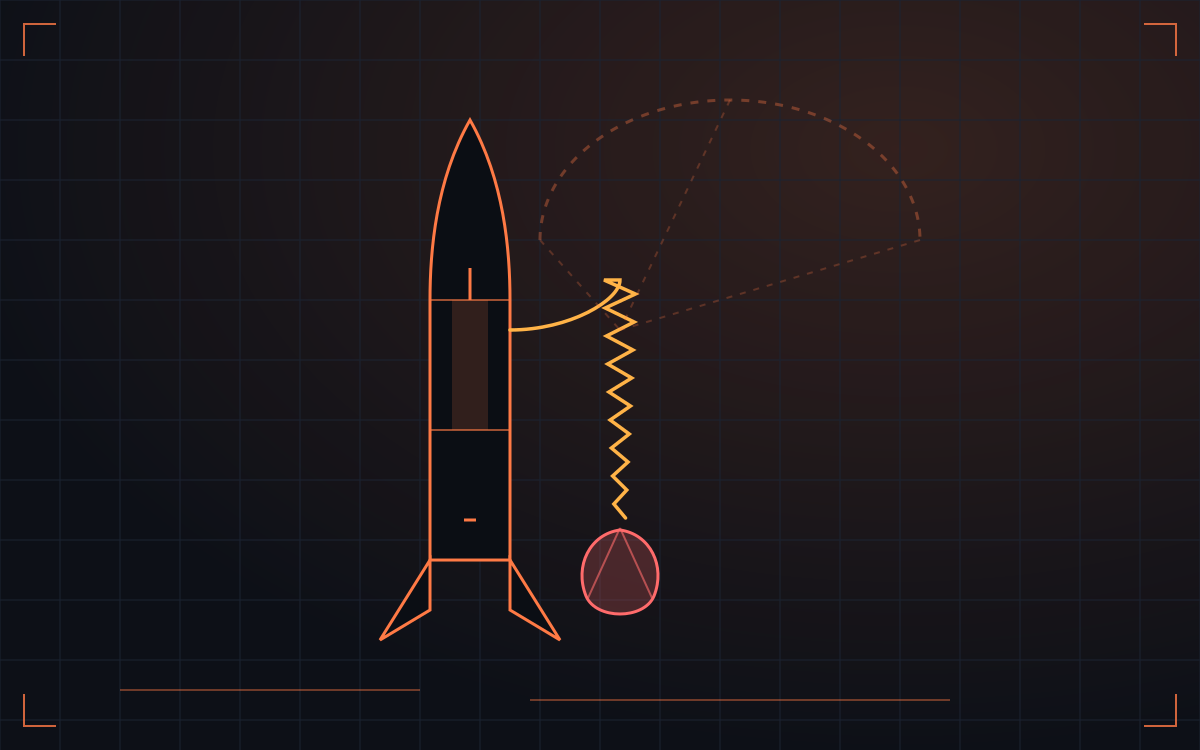
- test 01
- Failedrecovery did not deploy
- survived
- Materialthe parts came through intact
- the cause
- Designelastic shock cord
- next attempt
- 2027revised airframe
Model rocket in short
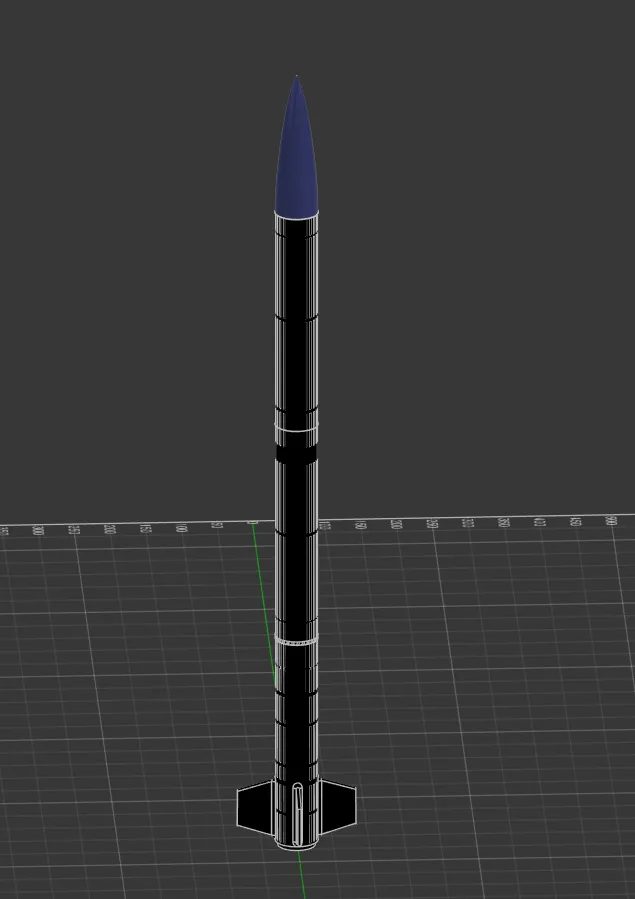
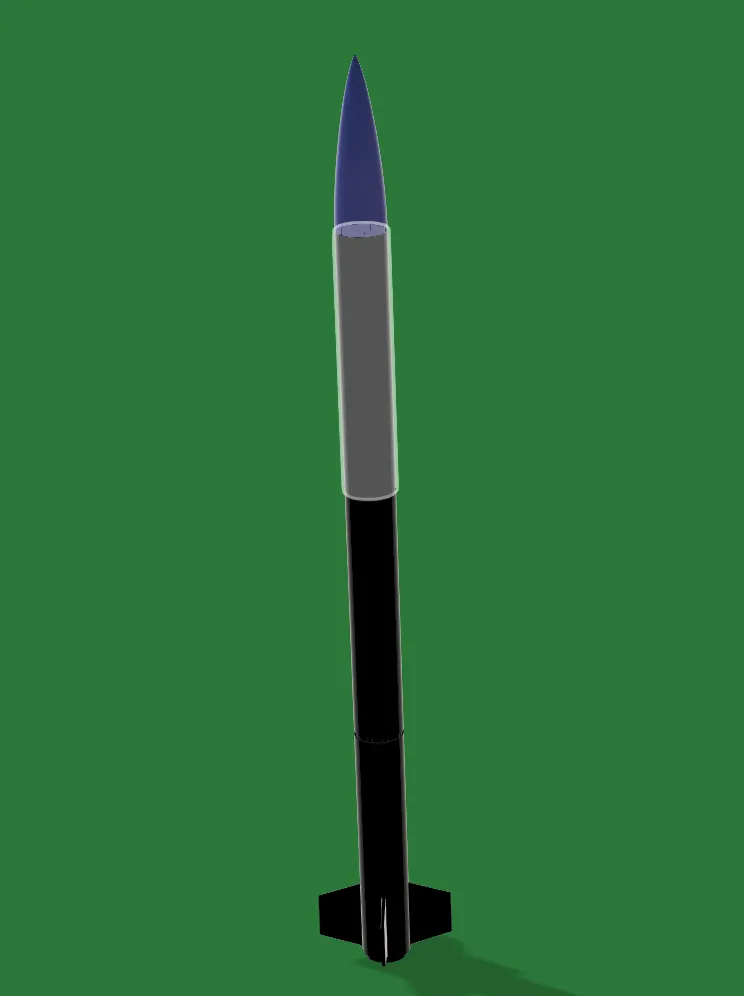
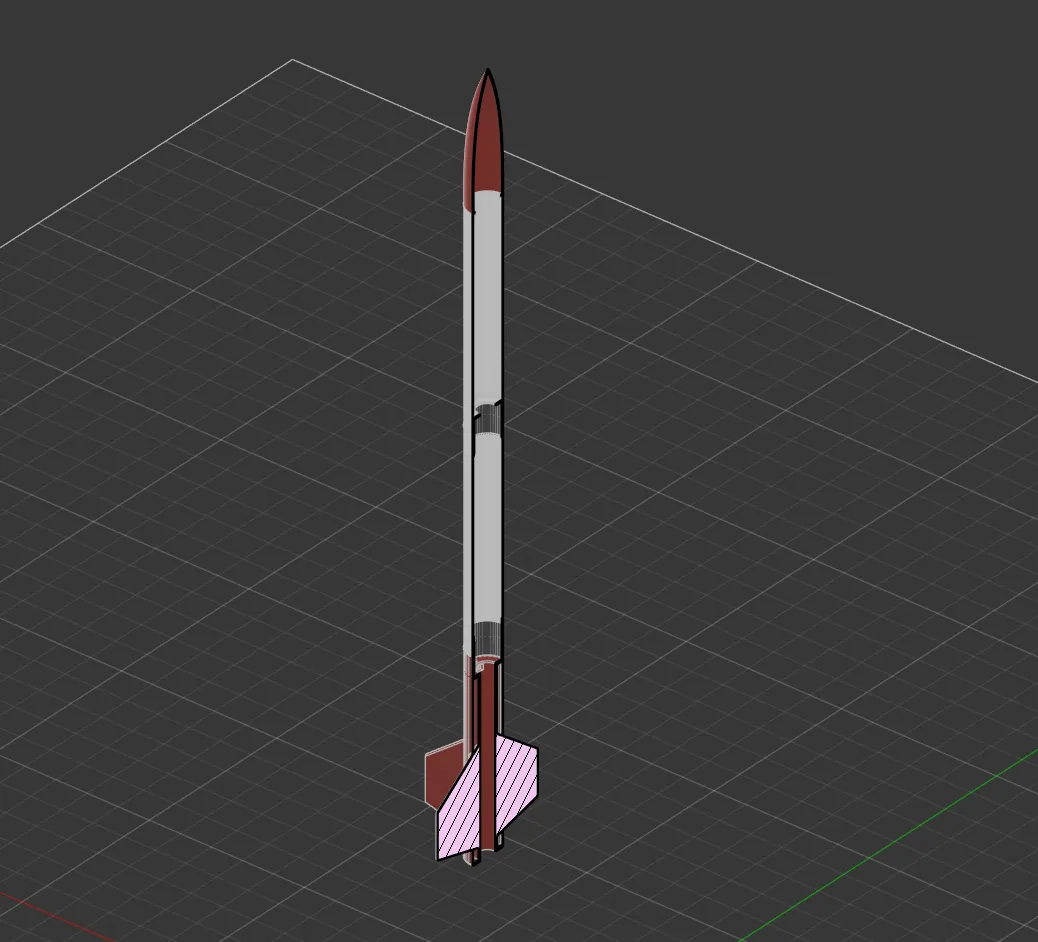
Designed in Fusion 360, printed in sections, assembled and put through a test flight. The printed material survived the test. The design was wrong, and the biggest problem was the shock cord: it was elastic, so it stretched instead of pulling the parachute out.
What works, and what does not
- Designed from scratch in Fusion 360, split into sections that fit the print bed
- FDM printed, assembled and taken to a real test flight
- The printed material survived the test
- Test 01 failed.
- The design was not correct: the shock cord was elastic and did not pull the parachute out.
- A revised airframe is planned for 2027.
What it taught
What actually failed
Not the print and not the material. The shock cord was elastic and stretched instead of pulling the parachute out of the airframe.
Why it is published
A failed test is still real data. The next revision is not guesswork: it is a fix for one specific thing that behaved differently from the way the model said it would.
See it
Related projects
3D printing
FDM printing in engineering materials and carbon-filled composites: the machine behind the parts in the other projects.
Open →Portable AI Workstation
A carry-anywhere enclosure around an NVIDIA Jetson module, with a touchscreen and the full Ubuntu desktop.
Open →Terra
A civilization simulation in continuous time on a real sphere — no turns, no visible hex grid.
Open →Figures describe this project's own build at the time of writing, not a promise of anything else. All projects and statuses.